
How to make your home pet-friendly
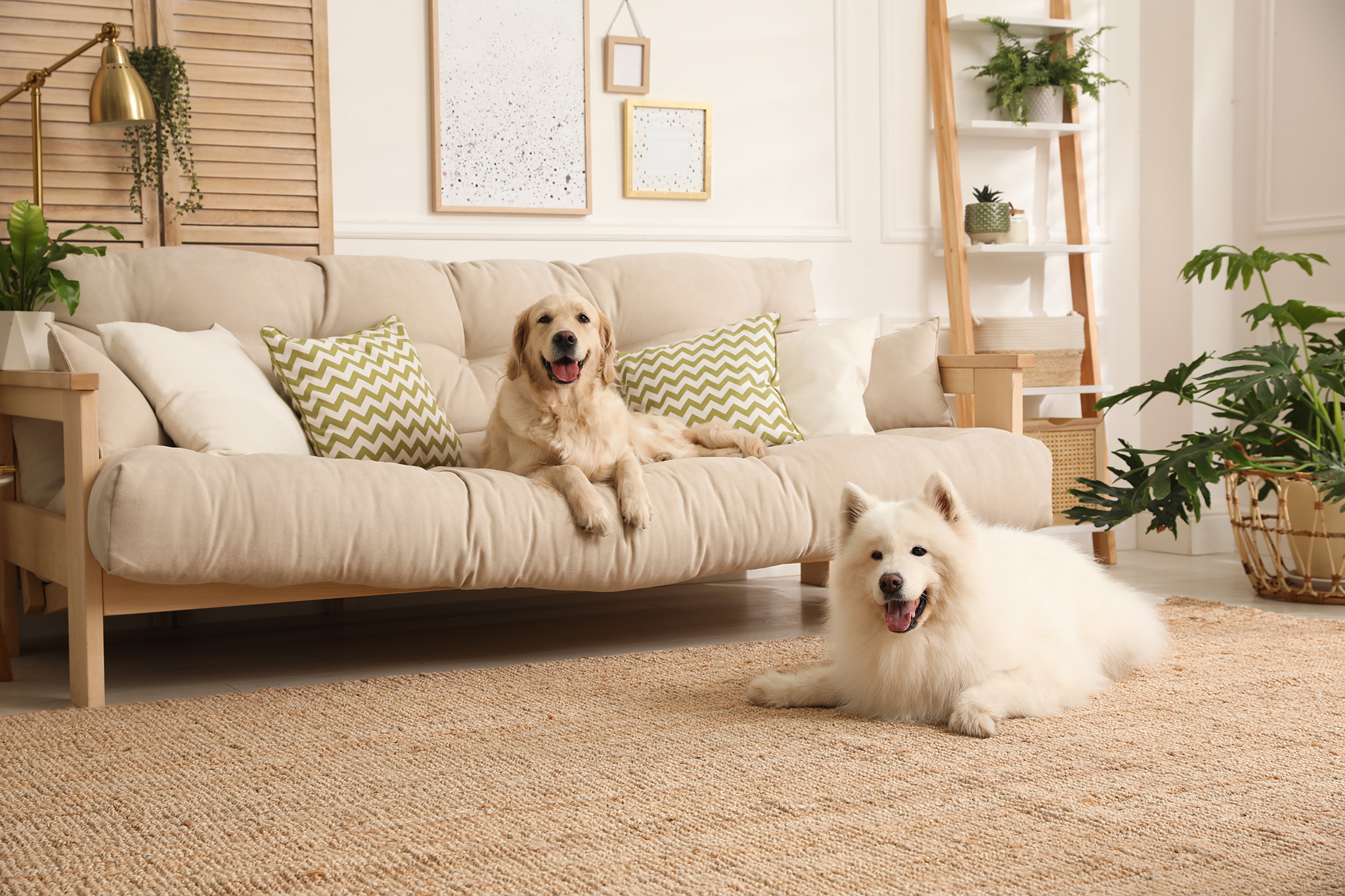
Bringing a pet into your home is one of life’s greatest joys. Whether it’s a playful puppy, a curious cat, or a chirpy bird, pets quickly become part of the family. However, just like baby-proofing a house for a toddler, creating a pet-friendly home is essential to ensure their safety, comfort, and happiness. A well-designed pet-friendly space also makes your life easier, reducing accidents and keeping your home clean and organized. Here’s how to make your home a welcoming and safe place for your furry (or feathered) friends.
1. Create a Safe Space for Your Pet
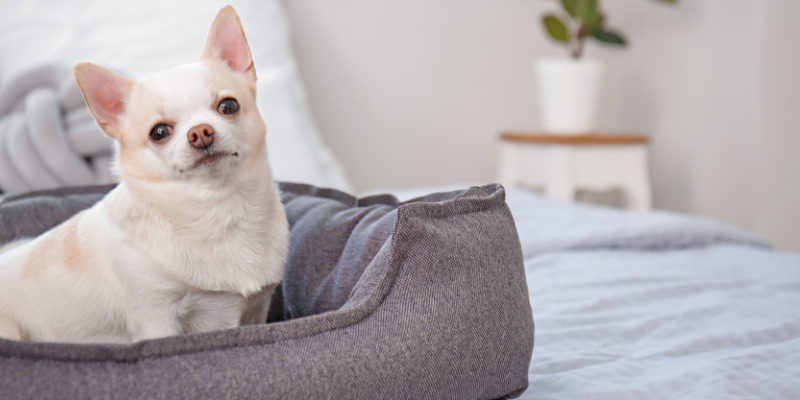
Every pet needs a designated area where they can relax and feel secure. For dogs, a cozy bed or crate in a quiet corner works perfectly. Cats love high perches or secluded spots where they can observe without being disturbed. Birds and small animals, like hamsters or rabbits, also need safe enclosures that are free from drafts and direct sunlight.
Make sure your pet’s space is away from loud noises, such as the TV, washing machine, or heavy foot traffic. Add soft bedding, favorite toys, and water nearby to make it a comforting retreat.
2. Choose Pet-Friendly Furniture and Fabrics
Your furniture choices can make a big difference in how easy it is to live with pets. Choose durable, stain-resistant fabrics like leather, microfiber, or synthetic materials that can handle fur, scratches, and occasional accidents. Avoid delicate materials like silk or velvet—they attract fur and are hard to clean.
If your pet tends to jump on furniture, consider removable and washable covers. Slipcovers or blankets not only protect your furniture but also make cleaning much simpler. Additionally, opt for furniture with exposed wood or metal legs instead of fabric-covered bases to prevent scratching or chewing.
3. Keep Hazardous Items Out of Reach
Just like young children, pets are curious and love to explore. Common household items such as cleaning supplies, medications, fertilizers, and certain foods (like chocolate or onions) can be toxic to pets. Store these items securely in cabinets or on high shelves.
Electrical cords can also pose a danger, especially for puppies or kittens that like to chew. Use cord protectors or cable organizers to keep them tidy and out of reach. Houseplants should be chosen carefully, too—many popular varieties like lilies, aloe vera, and philodendron are toxic to pets. Always double-check before bringing new plants home.
4. Make Feeding Areas Clean and Comfortable
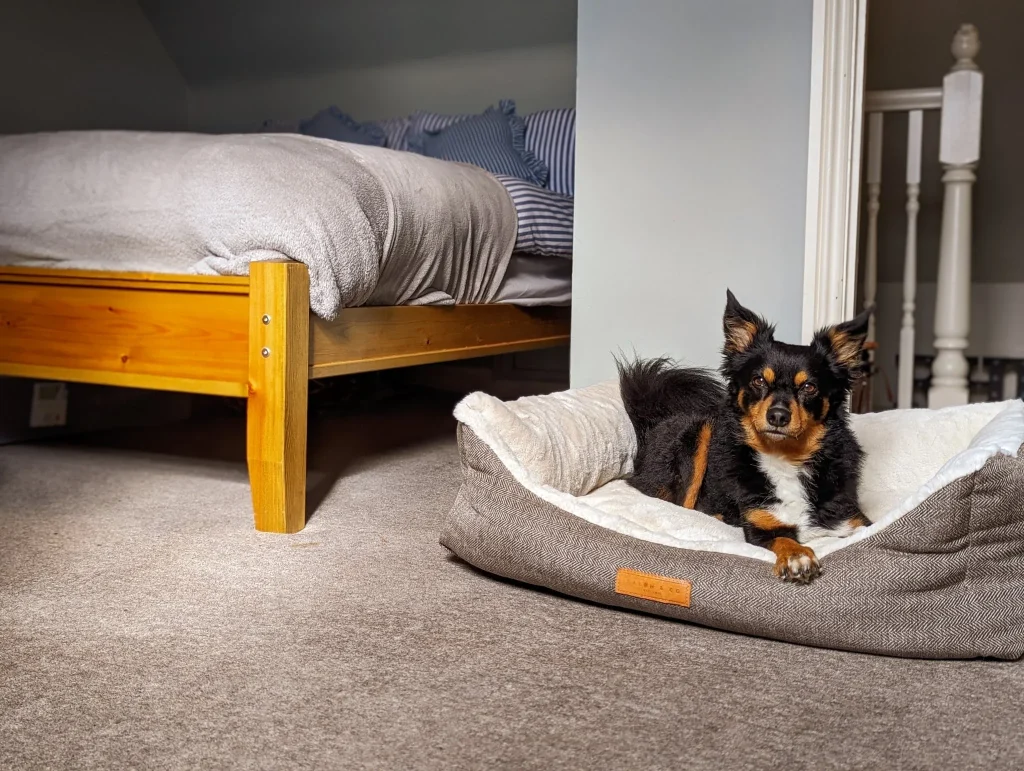
A dedicated feeding zone helps maintain cleanliness and order. Choose a non-slip mat to keep bowls in place and catch spills. Stainless steel or ceramic bowls are ideal since they’re easy to clean and don’t harbor bacteria like plastic ones can.
If you have multiple pets, feeding them separately can prevent food aggression. Cats often prefer elevated feeding stations, away from dogs or small children. Also, remember to provide fresh water at all times and wash food bowls regularly to keep your pet healthy.
5. Design an Easy-to-Clean Home
Pets can be messy, so planning your home with easy-to-clean materials will save you time and effort. Choose flooring like tile, laminate, or sealed hardwood—they’re durable and simple to wipe down. Carpets trap fur and odors, so if you prefer rugs, pick low-pile, washable ones.
Vacuum regularly using a pet-specific vacuum cleaner to reduce hair and allergens. Keeping lint rollers, pet wipes, and odor-neutralizing sprays handy will also help you maintain a fresh and clean home.
6. Provide Plenty of Enrichment and Exercise
A pet-friendly home goes beyond safety—it should also promote play and stimulation. Bored pets can become destructive, so give them plenty of toys, scratching posts, or chew bones. Rotate toys occasionally to keep them interesting.
For dogs, create a small play zone indoors or in your backyard. If you have a garden, ensure it’s securely fenced to prevent escapes. Cats love climbing and hiding, so cat trees or wall shelves can turn your home into a playground.
Interactive toys like treat-dispensing puzzles can keep pets mentally engaged, especially when you’re not home.
7. Maintain a Routine and Boundaries

Pets thrive on routine. Set specific times for feeding, walks, and play. This helps them feel secure and reduces anxiety. Establish boundaries early—decide which rooms or furniture your pet is allowed on and be consistent with training. Use positive reinforcement rather than punishment to encourage good behavior.
Installing pet gates can help restrict access to certain areas, especially if you have fragile furniture or rooms with lots of wires or plants.
8. Think About Comfort in All Seasons
Temperature control is essential for your pet’s well-being. Make sure there are cool spots for summer and warm, cozy areas during winter. Avoid placing beds near heaters or windows with direct sunlight. For outdoor pets, provide proper shelter that protects them from rain, heat, and cold.
Conclusion
Creating a pet-friendly home doesn’t mean sacrificing style or comfort—it’s about finding balance. With thoughtful design, safe materials, and a bit of organization, you can create a home that both you and your pets will love. When pets feel comfortable, secure, and stimulated, they become happier companions—and that happiness spreads throughout your entire home.
A pet-friendly home isn’t just about safety; it’s about creating an environment where your beloved animals can thrive alongside you. After all, a happy pet makes for a happy home.