
How to start a small vegetable garden
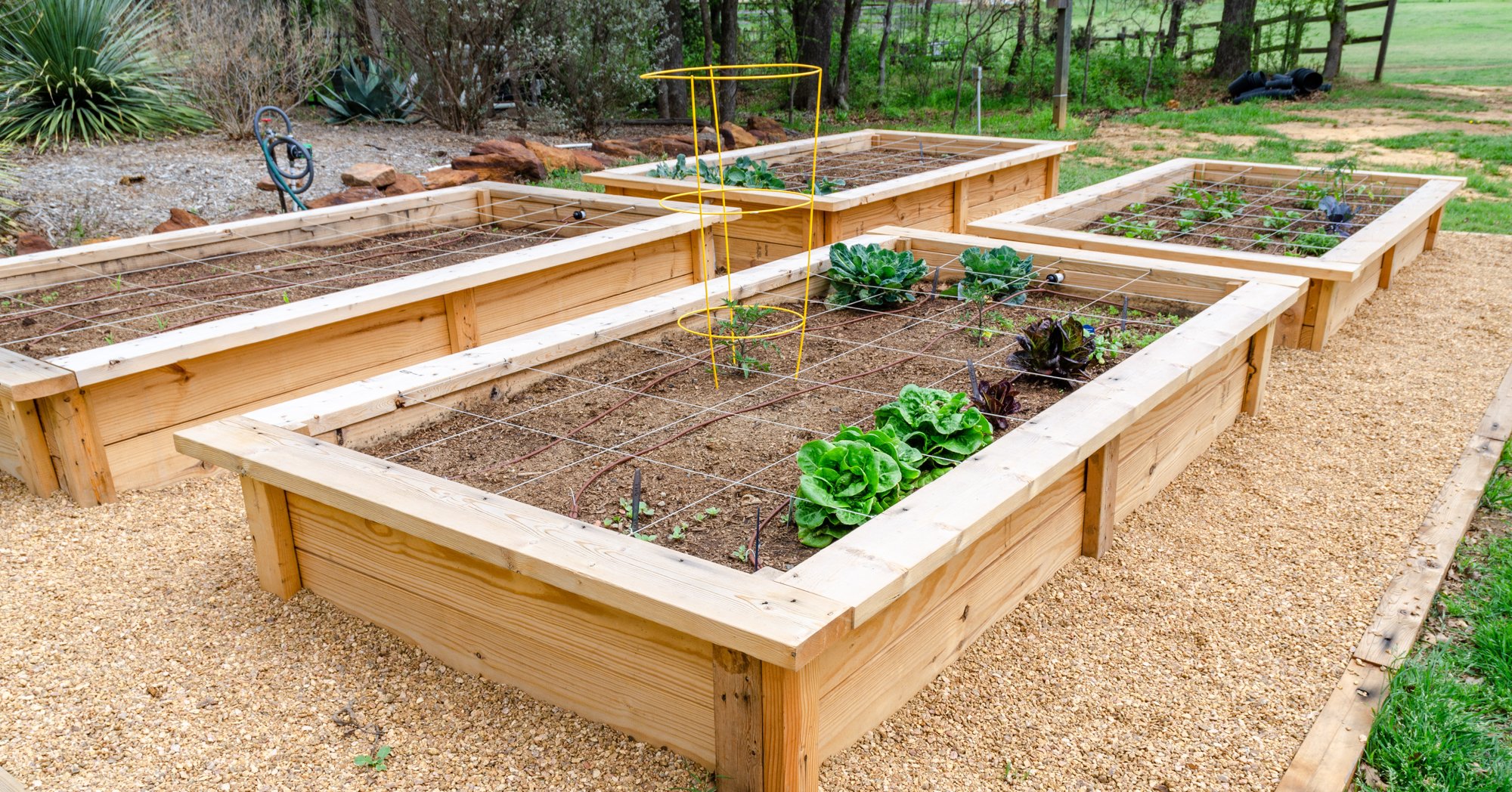
Starting a small vegetable garden is one of the most rewarding and sustainable hobbies you can take up. Whether you have a big backyard, a small patio, or just a balcony, growing your own vegetables can help you eat healthier, save money, and reconnect with nature. Gardening doesn’t require a lot of space or experience — just some patience, planning, and a bit of care. Here’s a step-by-step guide to help you start your very own small vegetable garden.
1. Choose the Right Location
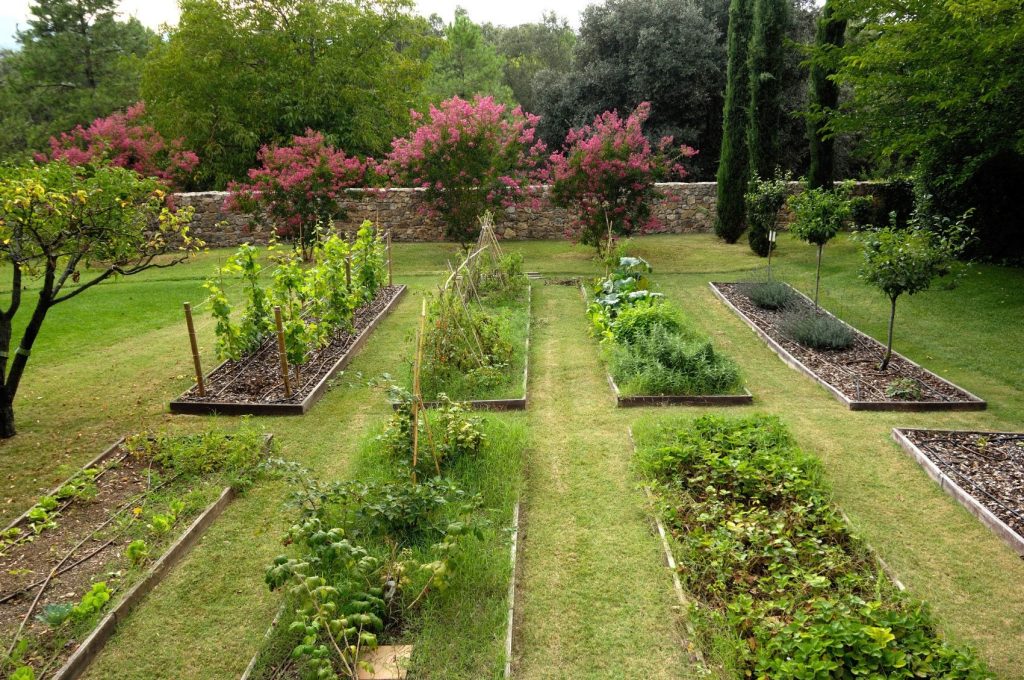
The first step in creating a successful vegetable garden is picking the right spot. Most vegetables need at least 6 to 8 hours of sunlight daily, so find a sunny area in your yard, balcony, or even near a bright window.
If you’re working with limited space, don’t worry — you can grow many vegetables in containers or raised beds. The key is to ensure the plants get enough light and proper drainage. Avoid areas with strong winds or where water tends to pool after rain.
2. Plan Your Garden Layout
Before planting, decide how much space you can dedicate and how you’ll organize your garden. For small gardens, raised beds or containers are ideal because they use space efficiently and are easier to manage.
Sketch a simple layout of where each plant will go. Keep taller plants, such as tomatoes or beans, at the back so they don’t shade smaller ones like lettuce or radishes. Group plants with similar needs together — for example, herbs and leafy greens thrive in partial shade, while fruiting vegetables like peppers and cucumbers love full sun.
3. Prepare the Soil
Good soil is the foundation of any healthy garden. If you’re planting directly in the ground, start by loosening the soil about 8–12 inches deep. Remove rocks, weeds, and debris, then mix in compost or organic matter to enrich the soil with nutrients.
For raised beds or containers, use high-quality vegetable potting mix instead of regular garden soil. These mixes are lighter, drain well, and contain the right balance of nutrients to support growth.
Healthy soil should feel crumbly and slightly moist — not too sandy or sticky. You can test your soil by squeezing a handful: it should hold together loosely but crumble easily when touched.
4. Choose Easy-to-Grow Vegetables
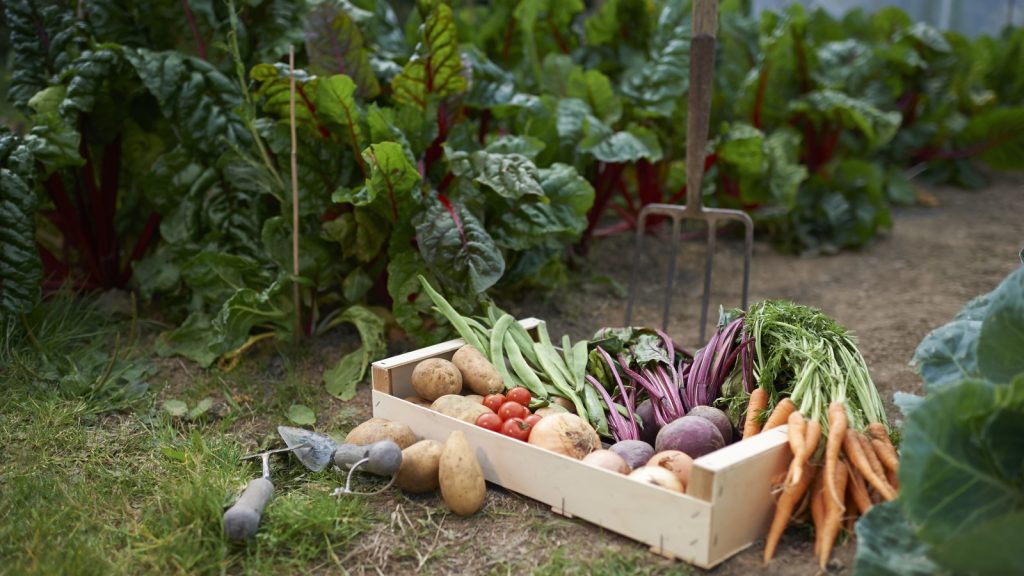
If you’re new to gardening, start with vegetables that are easy to grow and produce quick results. Some great beginner-friendly options include:
- Tomatoes – Perfect for pots and garden beds, and they love sunshine.
- Lettuce and spinach – Fast-growing and ideal for continuous harvesting.
- Radishes and carrots – Great for beginners and ready in just a few weeks.
- Peppers and cucumbers – Thrive in warm weather and produce generously.
- Herbs like basil, mint, and parsley – Easy to grow in small containers.
It’s best to start small. Choose three to five vegetables that your family eats often, and once you gain confidence, you can expand your garden.
5. Plant at the Right Time
Timing is everything in gardening. Each vegetable has its ideal growing season — some thrive in cool weather, while others need warmth. Check your local planting calendar or seed packet for guidance.
Cool-season vegetables like lettuce, spinach, and peas grow well in spring or fall. Warm-season crops like tomatoes, cucumbers, and peppers do best after the last frost when the weather is consistently warm.
If you’re short on time, consider buying seedlings from a local nursery instead of starting from seed. This gives you a head start and makes gardening easier for beginners.
6. Water and Feed Regularly
Consistent watering is crucial for healthy vegetable growth. Most vegetables need about 1 inch of water per week, but this can vary based on temperature and soil type. Water deeply and less often rather than shallow and frequent watering — this encourages stronger root growth.
Add a mulch layer (such as straw or shredded leaves) around your plants to retain moisture and reduce weeds. You can also feed your plants every few weeks with organic fertilizer or compost tea to keep them strong and productive.
7. Control Pests Naturally
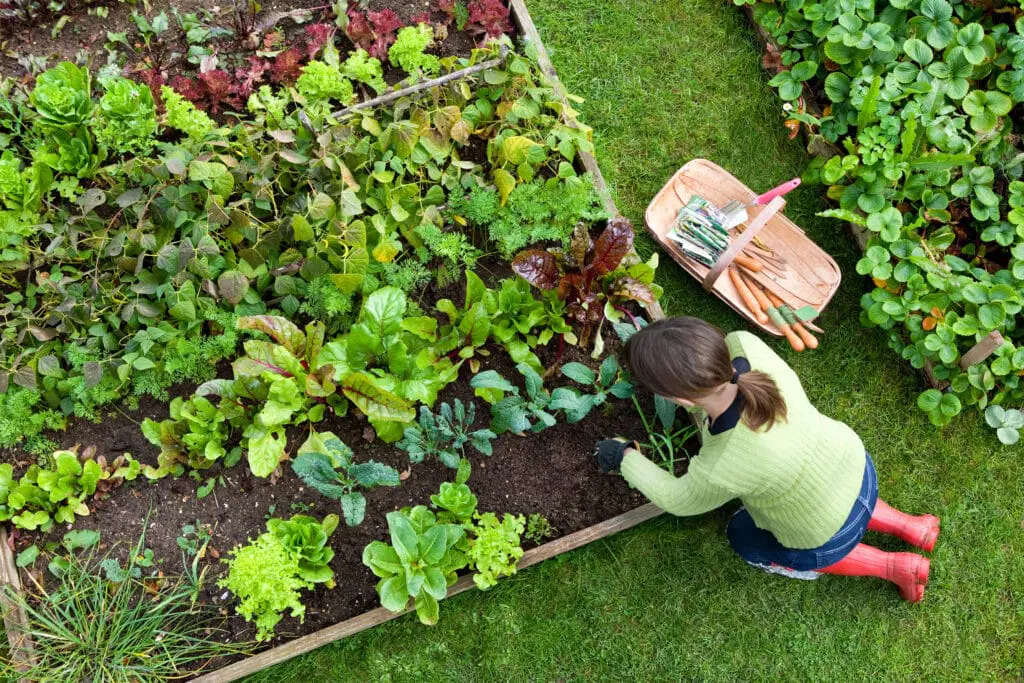
Pests can be frustrating, but you don’t need harsh chemicals to protect your plants. Encourage natural pest control by planting companion plants — for instance, marigolds help repel aphids and other insects.
Regularly check the undersides of leaves for bugs or damage, and remove pests by hand when possible. You can also spray plants with a mild soap-water solution to deter small insects.
8. Harvest and Enjoy
One of the best parts of gardening is the harvest. Pick your vegetables when they’re ripe — not only will they taste better, but regular harvesting also encourages plants to produce more.
Enjoy your homegrown produce in salads, soups, or stir-fries, and take pride in knowing that your food came from your own effort and care.
Final Thoughts
Starting a small vegetable garden doesn’t have to be complicated or expensive. With the right location, healthy soil, and consistent care, you can grow a variety of fresh, delicious vegetables right at home. Gardening not only provides nutritious food but also offers relaxation, exercise, and a deeper appreciation for nature.
So, grab a few seeds, roll up your sleeves, and start your gardening journey today — you’ll be amazed at how satisfying it is to watch your plants grow and thrive under your care.