
The truth about intermittent fasting

In recent years, intermittent fasting (IF) has become one of the most popular trends in health and fitness. Celebrities, athletes, and nutrition experts often praise it for its ability to promote weight loss, improve energy levels, and even slow aging. But what is the truth behind intermittent fasting? Is it truly as beneficial as many claim, or are there hidden downsides to consider? Let’s explore the science, benefits, and potential risks of this eating pattern to uncover the real facts.
What Is Intermittent Fasting?

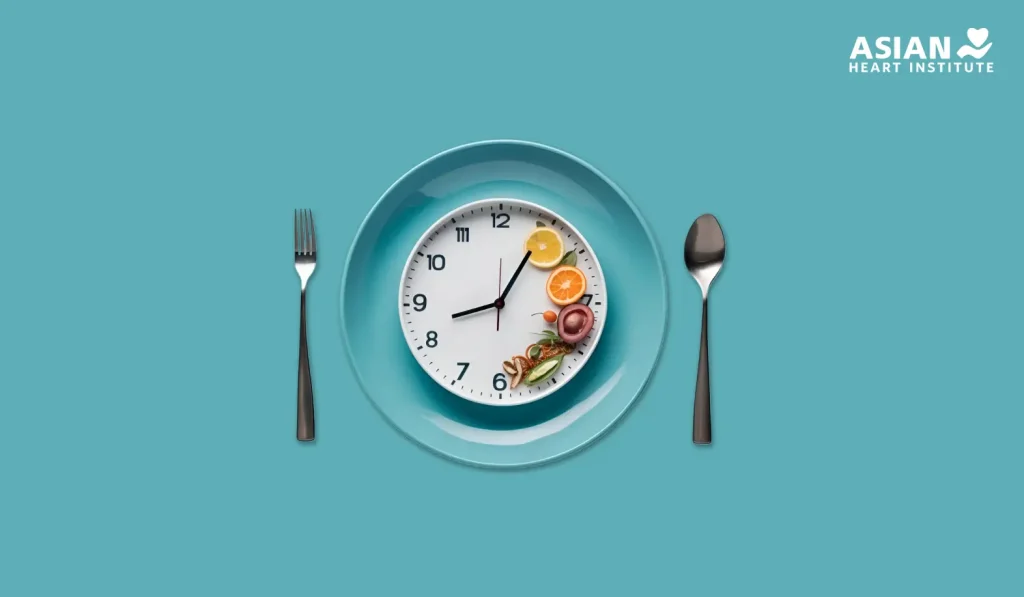
Intermittent fasting is not a diet in the traditional sense—it doesn’t tell you what to eat, but rather when to eat. It involves cycling between periods of eating and fasting. The most common methods include:
- 16/8 method: Fasting for 16 hours and eating during an 8-hour window (for example, eating between 12 p.m. and 8 p.m.).
- 5:2 method: Eating normally for five days of the week and reducing calorie intake (around 500–600 calories) on the other two days.
- Eat-Stop-Eat: Involves fasting for 24 hours once or twice per week.
During fasting periods, people usually drink water, black coffee, or herbal tea to stay hydrated without breaking the fast.
How Does Intermittent Fasting Work?
The idea behind intermittent fasting is based on how your body uses energy. When you eat, your body breaks down food into glucose, which is used for energy. Any excess glucose is stored as fat. When you fast, your insulin levels drop, signaling your body to burn stored fat for energy instead of glucose.
This process—called metabolic switching—can lead to weight loss, improved metabolism, and better blood sugar control. Essentially, IF gives your body a break from constantly digesting food and allows it to repair and reset.
The Benefits of Intermittent Fasting
1. Weight Loss and Fat Burning
Many people try intermittent fasting for weight loss—and for good reason. Fasting helps reduce calorie intake naturally and increases fat-burning hormones like norepinephrine. Studies have shown that intermittent fasting can reduce body weight by 3–8% over 3–24 weeks, which is quite significant compared to traditional calorie restriction.
2. Improves Insulin Sensitivity
Fasting can help lower blood sugar levels and improve insulin sensitivity, making it beneficial for people at risk of type 2 diabetes. Some studies suggest that IF may reduce fasting insulin by up to 30%, helping your body manage glucose more effectively.
3. Boosts Brain Health
Intermittent fasting may also support brain function. It increases the production of a protein called BDNF (brain-derived neurotrophic factor), which supports neuron growth and protects against neurodegenerative diseases like Alzheimer’s. Additionally, fasting promotes mental clarity and focus by stabilizing blood sugar levels and reducing inflammation.
4. Promotes Heart Health
IF can improve several risk factors for heart disease, such as blood pressure, cholesterol levels, and triglycerides. Some research suggests it may lower bad LDL cholesterol and help prevent oxidative stress, which damages heart cells.
5. May Support Longevity
Animal studies have shown that intermittent fasting can extend lifespan and reduce the risk of age-related diseases. While human research is still ongoing, the early evidence suggests that fasting may slow aging by reducing inflammation and improving cellular repair mechanisms.
Potential Risks and Side Effects

While intermittent fasting offers many potential benefits, it’s not suitable for everyone. Here are a few drawbacks and cautions to consider:
1. Hunger and Fatigue
In the beginning, fasting can be challenging. You may experience hunger, low energy, or irritability as your body adapts to the new routine. These symptoms usually improve after a few weeks.
2. Overeating During Eating Windows
Some people compensate for fasting by overeating when they finally can eat. This can cancel out the calorie deficit and prevent weight loss. It’s important to eat balanced, nutrient-rich meals rather than indulging in junk food.
3. Not Suitable for Everyone
Intermittent fasting may not be ideal for pregnant or breastfeeding women, people with eating disorders, or those with certain medical conditions such as diabetes without medical supervision. Always consult a doctor before starting any fasting plan.
4. Possible Nutrient Deficiencies
If not planned carefully, fasting can lead to nutrient deficiencies, especially if your eating window includes mostly processed foods. A balanced diet with lean proteins, healthy fats, and whole grains is essential.
Tips for Successful Intermittent Fasting
- Start Slowly: Try shorter fasting windows (like 12 hours) before moving to longer ones.
- Stay Hydrated: Drink plenty of water and calorie-free beverages.
- Eat Nutrient-Dense Foods: Focus on whole, unprocessed foods for maximum benefit.
- Listen to Your Body: If you feel dizzy, weak, or unwell, stop fasting and eat something.
- Be Consistent: The results come with time and consistency.
Final Thoughts
The truth about intermittent fasting is that it’s not a magic fix, but it can be a powerful tool for improving health when done correctly. It encourages mindful eating, supports fat loss, and may enhance longevity. However, it’s not one-size-fits-all. The key is to find a fasting schedule that fits your lifestyle and supports your body’s needs.
When combined with a balanced diet, regular exercise, and proper rest, intermittent fasting can be an effective and sustainable approach to overall well-being.